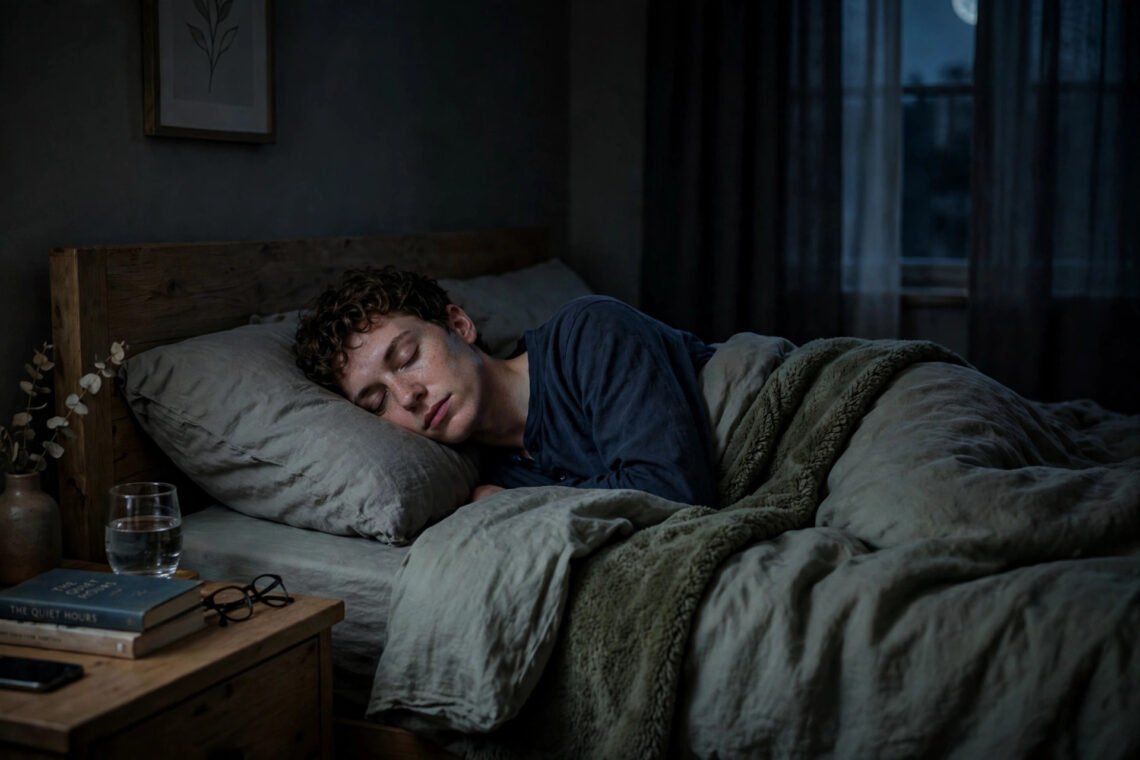
Many people think of snoring as nothing more than an annoyance — something that disturbs a partner’s sleep and provides material for jokes at breakfast. But in some cases, loud snoring is a sign of something more significant: sleep apnoea, a condition in which breathing repeatedly pauses or becomes very shallow during sleep. Those pauses may last only seconds, but they can happen many times through the night, fragmenting sleep and placing strain on the body. Because the person affected is asleep, they often have no idea it is happening — it is frequently a partner, family member or housemate who notices first. This guide explains how to recognise the symptoms of sleep apnoea, both at night and during the day, who is more likely to be affected, what a sleep assessment involves in general terms, and why it is worth raising with your GP.
Please note: this article is general information only and is not medical advice. It cannot diagnose sleep apnoea or any other condition. If you recognise symptoms described here in yourself or someone close to you, and you are concerned, please speak to your GP, who can assess the situation properly.
What Is Sleep Apnoea?
Sleep apnoea is a sleep disorder in which breathing is interrupted during sleep. The most common type, obstructive sleep apnoea, happens when the muscles at the back of the throat relax too much during sleep and the airway narrows or closes. Air cannot get through properly, breathing pauses, and the brain briefly wakes the body — often so briefly that the person does not remember it — in order to reopen the airway. This cycle can repeat throughout the night, sometimes very frequently, so that although the person may believe they have slept for hours, their sleep has been repeatedly broken.
There is also a less common type, central sleep apnoea, in which the brain temporarily fails to send the right signals to the muscles that control breathing. The symptoms can look similar, but the underlying cause is different, and it is usually associated with other medical conditions. Some people have a mixture of both types. Distinguishing between them is a job for a sleep specialist, not something to attempt from symptoms alone, which is one reason a proper assessment matters.
It is important to separate sleep apnoea from ordinary snoring. Many people snore occasionally, particularly when they have a cold, after drinking alcohol, or when sleeping on their back, and most simple snoring is harmless. The difference with sleep apnoea is the pattern: loud snoring punctuated by silences, gasping or choking sounds, and repeated brief awakenings. If snoring is accompanied by any of the daytime effects described below, it is worth taking seriously rather than dismissing.
Night-Time Signs to Watch For
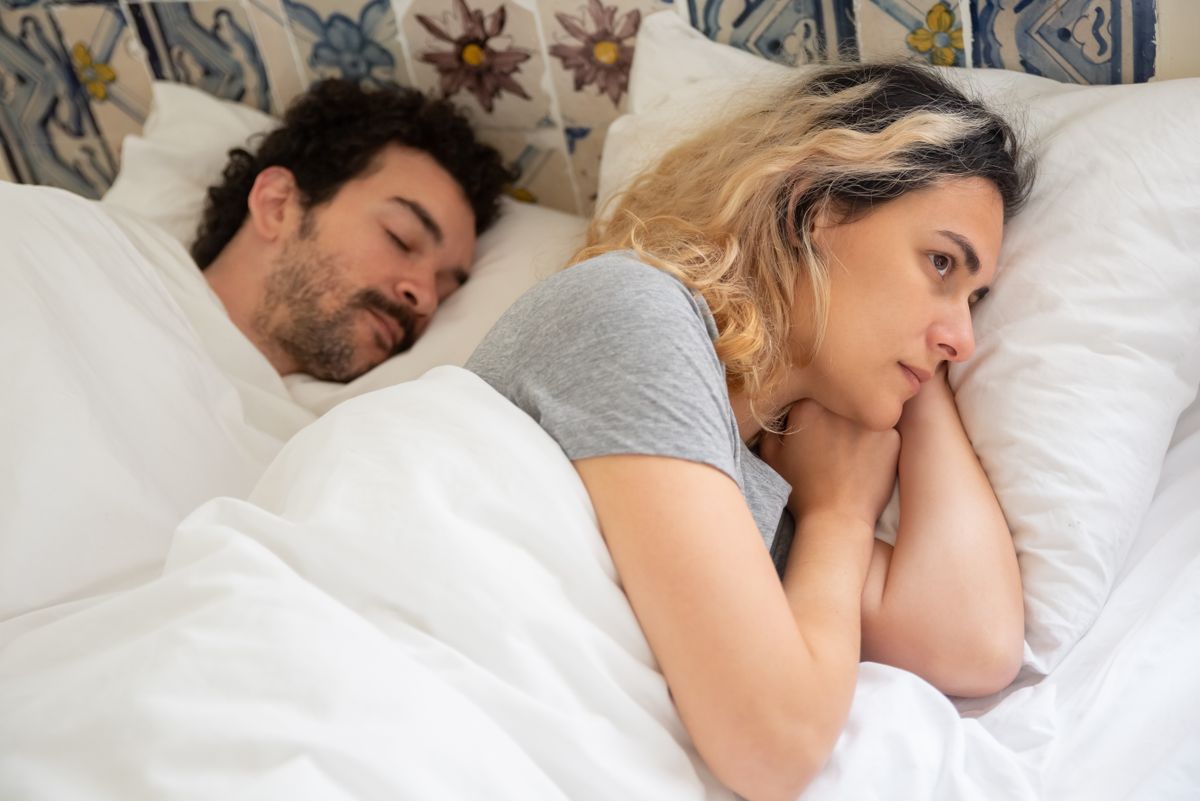
The night-time signs of sleep apnoea are usually noticed by someone else, since the affected person is asleep. The most characteristic sign is loud, persistent snoring that is interrupted by pauses in breathing. A partner may describe a pattern: snoring that builds, then stops suddenly for a stretch, then resumes with a snort, gasp or choking sound as breathing restarts. That cycle, repeated through the night, is the classic picture — though not everyone with sleep apnoea snores loudly, and not everyone who snores has sleep apnoea.
Other night-time signs include restless sleep, with frequent tossing, turning or waking, and waking up with a dry mouth or a sore throat, which can result from breathing through the mouth all night. Some people wake with a headache, particularly in the morning, which tends to fade as the day goes on. Others experience needing to pass urine frequently during the night, or notice that they sweat heavily during sleep. Vivid dreams, or a sense of having slept badly despite spending long enough in bed, can also feature — though vivid or disturbing dreams have many possible causes, and our guide to nightmares explains how to think about them.
Children can be affected too, and the signs may look different: restless sleep, bedwetting beyond the usual age, difficulty concentrating at school, or behavioural changes. If a child’s sleep seems consistently disturbed or their breathing during sleep worries you, it is worth raising with your GP rather than assuming they will grow out of it.
Daytime Effects: When Poor Sleep Spills Into the Day
Because sleep apnoea fragments sleep night after night, its daytime effects can be wide-ranging, and they are often the reason people eventually seek help. The most common is excessive daytime sleepiness: feeling tired despite a full night in bed, struggling to stay awake while reading, watching television or sitting in a meeting, and in more severe cases, falling asleep during conversations or while driving. That last point deserves emphasis, because drowsy driving is dangerous, and anyone who finds themselves nodding off at the wheel should stop driving and seek advice promptly.
Other daytime effects include difficulty concentrating, forgetfulness, and irritability or low mood. Work performance may suffer, relationships may strain, and everyday tasks can feel harder than they should. Some people notice morning headaches that clear later in the day, a dry mouth on waking, or a general sense of never feeling refreshed. Mood changes are common too: poor sleep affects emotional regulation, and persistent tiredness can both mimic and worsen low mood and anxiety.
It is easy to attribute all of this to a busy life, stress, or simply getting older, and many people do so for years. That is understandable — tiredness has countless causes, and sleep apnoea is only one of them. But when tiredness is persistent, when it does not improve with better sleep habits, or when it comes together with loud snoring and witnessed breathing pauses, it is worth asking your GP whether a sleep assessment would help. A treatable cause should not be missed simply because tiredness feels too ordinary to mention.

Risk Factors in General Terms
Sleep apnoea can affect anyone, but certain factors make it more likely. Excess weight is one of the strongest: extra tissue around the neck and upper airway can narrow the airway and make it more likely to close during sleep. That said, plenty of people with sleep apnoea are not overweight, so a healthy weight does not rule it out. Age also plays a role, with risk rising as people get older, and it is more commonly diagnosed in men, though the gap narrows after the menopause.
The shape and structure of the airway matter as well. A naturally narrow airway, a recessed jaw, enlarged tonsils or adenoids, or a thick neck can all increase the likelihood of obstruction. Family history plays a part too: sleep apnoea sometimes runs in families, whether through shared anatomy or shared tendencies. Smoking can worsen it, because it inflames and swells the upper airway, and alcohol and sedative medicines relax the throat muscles further, which can make episodes more frequent or more severe.
Certain medical conditions are also associated with sleep apnoea, including high blood pressure, heart conditions, type 2 diabetes, and nasal congestion that forces mouth breathing. The relationship with blood pressure runs in both directions: sleep apnoea can contribute to raised blood pressure, and raised blood pressure is often found alongside it — a connection our guide to hypertension explores. None of these risk factors means a diagnosis is certain, and having none of them does not exclude it; they simply help a GP judge whether assessment is worthwhile.
Why It Is Worth Raising With a GP
Untreated sleep apnoea does more than make you tired. Over time, the repeated drops in oxygen and the fragmented sleep place strain on the cardiovascular system, and the condition is associated with raised blood pressure, heart problems and stroke risk, as well as with difficulty managing blood sugar. It can also worsen daytime functioning in ways that affect safety and quality of life — driving, work, mood and relationships. The encouraging side of this is that sleep apnoea is a recognised, assessable condition with established treatments, so identifying it opens the door to real improvement rather than simply enduring the tiredness.
Raising it with your GP is straightforward. It helps to bring a clear description of what you or your partner have noticed: the snoring pattern, any witnessed pauses in breathing, how you feel during the day, and how long it has been going on. If your partner can describe what they hear at night, that is genuinely useful information for the doctor. Your GP will ask about your general health, any medicines you take, and your sleep habits, and will decide whether referral for a sleep assessment is appropriate.
What Happens at a Sleep Assessment, in General Terms
A sleep assessment, sometimes called a sleep study, sounds daunting, but in most cases it is a painless, non-invasive process. Often the first step is a home-based study: you are given a small, portable monitor to wear overnight in your own bed. It typically records your breathing patterns, oxygen levels, heart rate and sometimes snoring, using sensors attached to a finger, the chest and near the nose. You sleep at home as usual, then return the device, and a specialist reviews the recordings.
In some cases, particularly where the picture is unclear or other sleep disorders are suspected, an overnight study in a sleep clinic may be recommended instead. There, the same kinds of measurements are taken with more detailed monitoring, and staff are on hand through the night. Either way, the aim is the same: to establish whether breathing pauses are happening, how often, and how severely they affect oxygen levels and sleep quality. The results then guide what happens next, and your GP or specialist will explain them and discuss the options with you.
It is worth knowing that treatment is tailored to the individual and to the severity of the condition. For some people, lifestyle changes and positional measures — such as avoiding sleeping on the back — are part of the plan. For others, a device worn overnight that keeps the airway open is the main treatment, and there are several types, fitted and adjusted by specialists. In selected cases, other options, including dental devices or surgery, may be discussed. No single treatment suits everyone, and what is recommended depends on your assessment results, your anatomy, and your preferences. Your specialist will talk through the options rather than imposing one.
General Sleep-Hygiene Tips That Help Everyone
Whatever the cause of poor sleep, good sleep hygiene — the everyday habits that support healthy sleep — is worth getting right, and it helps people with and without sleep apnoea alike. Keep a regular sleep schedule, going to bed and getting up at roughly the same times each day, including weekends, so your body clock stays steady. Make your bedroom dark, quiet and cool, and reserve the bed for sleep rather than for working or scrolling through a phone.
Avoid caffeine late in the day, and be aware that alcohol, while it may help you fall asleep, fragments sleep later in the night and relaxes the airway — a particular problem if apnoea is suspected. Regular daytime exercise supports better sleep, though vigorous exercise very late in the evening can be stimulating for some people. A wind-down routine — dimming lights, putting screens away, reading or stretching for a while before bed — signals to your body that sleep is coming. And if you cannot fall asleep after a reasonable time, it is better to get up, do something calm in low light, and return to bed when sleepy, rather than lying awake worrying.
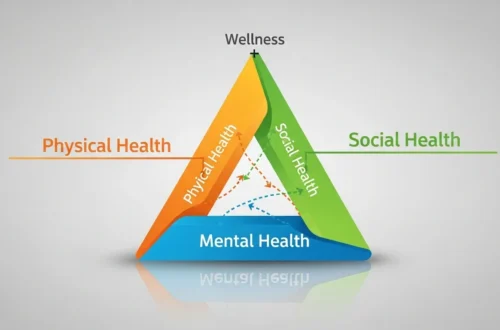
Good sleep is not a luxury or a minor detail; it is one corner of overall wellbeing, alongside physical and mental health, as our guide to the health triangle describes. If sleep-hygiene measures and a regular routine do not improve persistent tiredness, or if the night-time signs described earlier are present, that is a reason to seek advice, not to simply try harder.
Frequently Asked Questions
Is snoring always a sign of sleep apnoea?
No. Many people snore without having sleep apnoea, particularly when they have a cold or have drunk alcohol. It becomes more concerning when snoring is loud and persistent, is interrupted by pauses in breathing or gasping, and is accompanied by daytime tiredness.
Can I diagnose sleep apnoea myself?
No. Only a proper assessment can establish whether sleep apnoea is present and how severe it is. Symptom checklists and phone apps can raise suspicion, but they cannot replace a sleep study interpreted by a specialist.
Should my partner come to the appointment?
It can be genuinely helpful, since partners often observe the night-time signs that the affected person cannot. If your partner cannot attend, a written description of what they notice at night is a useful alternative.
Is sleep apnoea only a problem for older, overweight men?
No. Although it is more commonly diagnosed in that group, it can affect women, younger adults and children, and people of any weight. Anyone with persistent symptoms deserves assessment regardless of age, sex or body size.
Will better sleep habits cure sleep apnoea?
Sleep hygiene improves sleep quality for everyone, and weight loss and avoiding alcohol can reduce severity for some people. But sleep apnoea is a medical condition that often needs specific assessment and treatment, so good habits alone should not be assumed to resolve it.
Conclusion
Sleep apnoea is common, under-recognised, and often hiding behind something as ordinary as tiredness or snoring. Its signs — loud snoring broken by silences and gasps, restless nights, morning headaches, and daytime sleepiness that does not lift — are worth noticing, especially when they occur together. If you recognise them in yourself, or if your partner has been telling you about your snoring for months, do not brush it aside: a conversation with your GP is a simple step, and a sleep assessment is a straightforward, painless process that can lead to genuinely better nights and better days.
Disclaimer: this article provides general information only and is not medical advice. It cannot diagnose any condition. If you are concerned about your sleep, your breathing during sleep, or persistent daytime tiredness, please see your GP.