Hypertension — better known as high blood pressure — is one of the most common long-term health conditions in the world, and one of the most overlooked. It rarely causes obvious symptoms, so millions of people live with it for years without knowing. Yet over time, raised pressure quietly strains the heart, arteries, kidneys and brain, raising the risk of heart attacks, strokes and kidney disease. The good news is that hypertension can be detected with a simple, painless test, and in many cases it can be brought under control with everyday changes, sometimes alongside medication. This guide explains what hypertension is, what the numbers mean, what causes it, and what actually helps.
Please note: this article is general information only and is not medical advice. If your blood pressure is high, or you are worried about it, speak to your doctor or another qualified health professional, who can assess your individual situation.
What Is Hypertension?
Blood pressure is the force of blood pushing against the walls of your arteries as your heart pumps. It naturally rises and falls during the day — it is higher when you are active or stressed and lower when you rest or sleep. Hypertension means that this pressure stays raised over time, rather than returning to a healthy range.
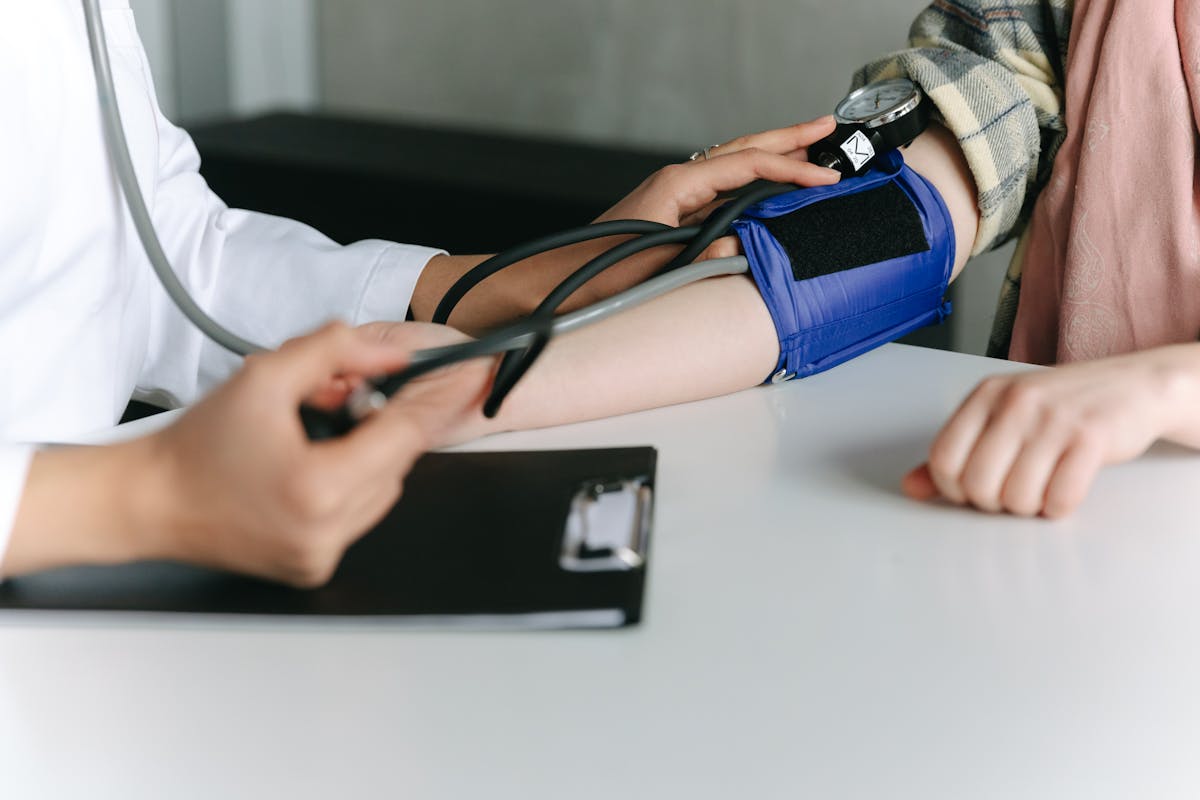
Doctors usually diagnose hypertension from several readings taken on different occasions, not from a single high result. A one-off high reading can be caused by stress, rushing to the appointment, caffeine, or even the unfamiliar setting of a clinic — sometimes called the “white coat” effect. That is why home readings or a 24-hour monitor are often used to confirm the picture.
What Do the Numbers Mean?
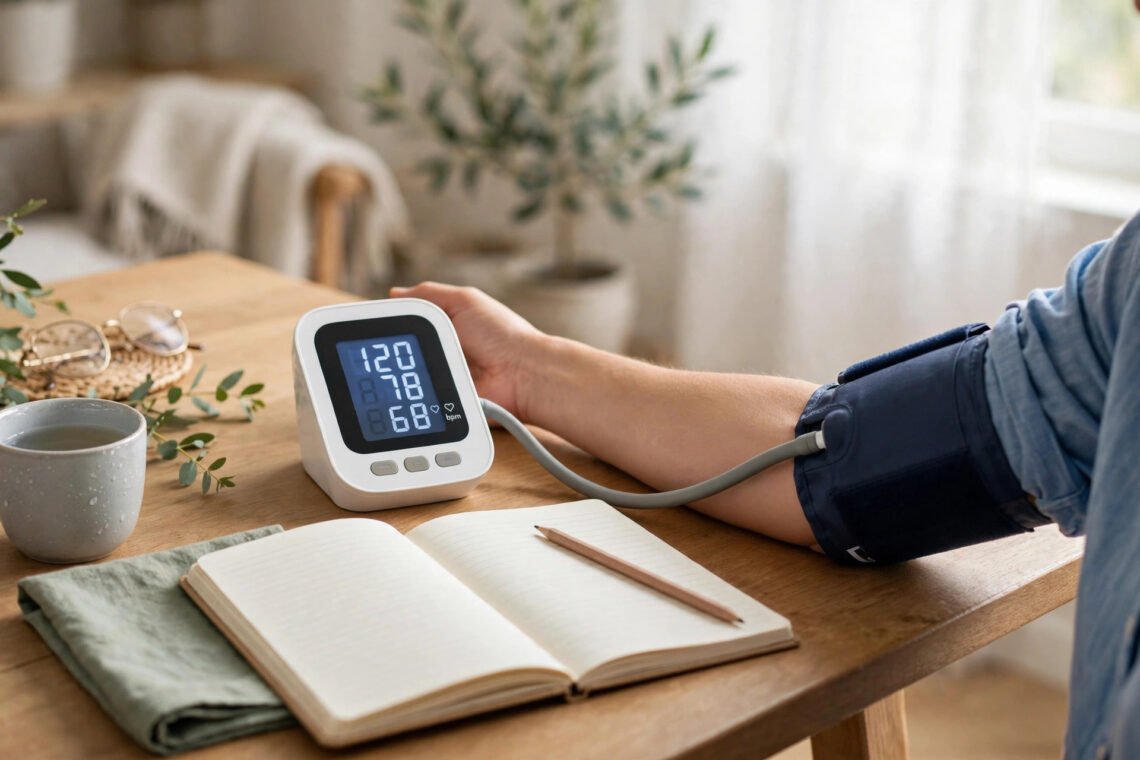
A blood pressure reading has two numbers, written like 120/80 and measured in millimetres of mercury (mmHg). The first number, systolic pressure, is the pressure when your heart beats and pushes blood out. The second, diastolic pressure, is the pressure when your heart rests between beats.
As a general guide, widely used thresholds describe the ranges like this:
- Normal: below 120/80 mmHg.
- Elevated: systolic 120–129 with diastolic below 80 mmHg.
- Stage 1 hypertension: systolic 130–139 or diastolic 80–89 mmHg.
- Stage 2 hypertension: systolic 140 or higher, or diastolic 90 or higher.
Your doctor will interpret your readings alongside your age, overall health and other risk factors, and the exact target they set for you may differ from these general ranges. What matters most is the pattern over time, not one isolated number.

What Causes High Blood Pressure?
In most cases — around nine in ten — no single cause is found. This is called primary (or essential) hypertension, and it tends to develop gradually over years as a result of several factors working together. In a smaller number of cases, hypertension is caused by another condition, such as kidney disease, a hormonal disorder or a problem with the blood vessels. This is called secondary hypertension, and it sometimes appears suddenly or at a younger age.
Factors that raise the risk include:
- Age and family history: risk rises with age, and it often runs in families.
- Being overweight: extra weight makes the heart work harder.
- A salty diet: too much salt makes the body hold on to water, raising pressure.
- Lack of activity: a sedentary lifestyle is linked to higher readings.
- Alcohol and smoking: regular heavy drinking raises blood pressure, and smoking damages artery walls.
- Stress and poor sleep: long-term stress and conditions such as sleep apnoea can both contribute.
- Other conditions: diabetes, high cholesterol and kidney problems often travel alongside hypertension.
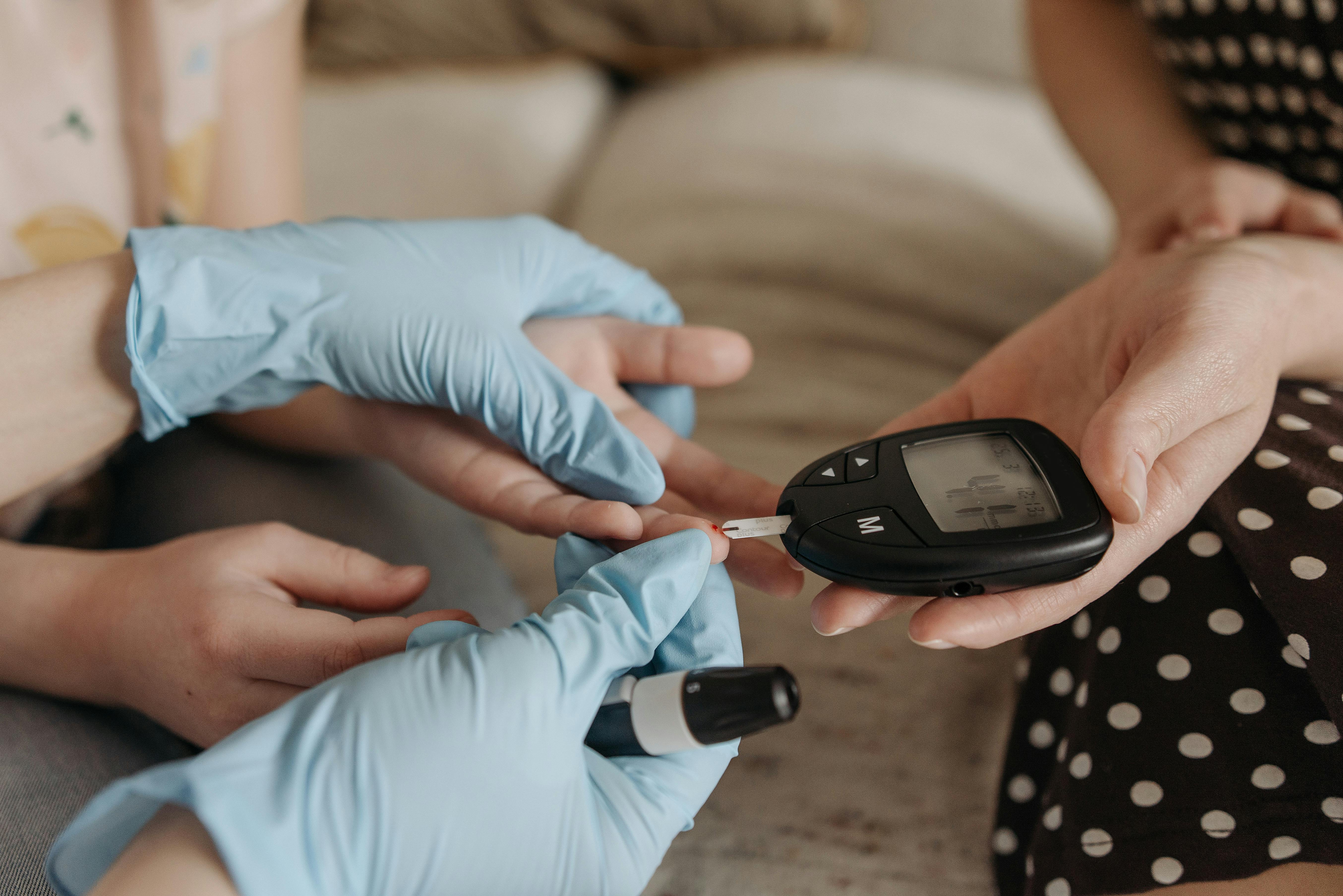
Because blood pressure and blood sugar problems so often appear together, people managing one are usually advised to keep an eye on the other too — as described in our account of how one reader brought raised blood sugar under control through diet, exercise and regular checks.

Why Hypertension Usually Has No Symptoms
Hypertension is often called a “silent” condition because most people feel perfectly well. Headaches, nosebleeds or dizziness are sometimes blamed on high blood pressure, but these are not reliable signs — they usually have other causes, and many people with dangerously high readings feel nothing at all.
This silence is exactly why it is worth getting checked. A routine blood pressure test at a pharmacy, clinic or home monitor takes a minute and can catch a problem years before it causes damage. Adults are generally advised to have their blood pressure checked regularly, and more often if they have risk factors or a family history of heart disease or stroke.
What Happens If Hypertension Is Left Untreated?
Over years, raised pressure damages artery walls, making them stiffer and narrower. This forces the heart to work harder, which can enlarge it and eventually weaken it. The main complications include heart disease and heart failure, stroke, kidney damage, vision problems, and a higher risk of vascular dementia. None of this happens overnight, which is also why acting early is so powerful — every sustained drop in pressure lowers the risk.
How to Lower Your Blood Pressure
For many people, everyday changes make a real difference, and doctors usually recommend them whether or not medication is also needed.
Eat with your heart in mind. A diet rich in vegetables, fruit, whole grains, beans, fish and low-fat dairy, and lower in salt, saturated fat and processed foods, is consistently linked to lower readings. Cutting salt is one of the single most effective steps: checking labels, cooking more at home, and going easy on sauces, cured meats and takeaways all help.
Move more. Regular moderate activity — brisk walking, cycling, swimming or dancing for around 30 minutes on most days — can lower blood pressure noticeably within weeks. Strength exercises twice a week add further benefit.
Reach and keep a healthy weight. Even modest weight loss, where relevant, tends to bring readings down, and it also helps blood sugar and cholesterol.
Drink less alcohol and do not smoke. Keeping alcohol within recommended limits, and quitting smoking, both protect your arteries. Smoking does not directly raise the reading for long, but it greatly increases the damage that raised pressure can do.
Manage stress and sleep. Relaxation, regular sleep hours, and treating sleep problems such as snoring-related apnoea all support healthier pressure. Looking after overall balance — physical, mental and social wellbeing together — is part of the same picture, as our guide to the health triangle explains.
Medication for Hypertension
When lifestyle changes alone are not enough, or when readings are high, doctors prescribe blood pressure medicines. There are several types, which work in different ways — for example, some relax blood vessels, some help the body remove excess salt and water, and some slow the heart rate. Many people need more than one type, and finding the right combination can take a few adjustments.
It is important to take prescribed medicines exactly as directed, even when you feel well. Stopping suddenly can cause pressure to rebound sharply. If you notice side effects, such as a persistent cough, dizziness or swollen ankles, tell your doctor rather than stopping on your own — an alternative medicine often solves the problem.
Checking Your Blood Pressure at Home
Home monitors are affordable and easy to use, and they give a better picture of your usual pressure than occasional clinic readings. For reliable results, sit quietly for five minutes first, rest your arm on a table at heart level, keep your feet flat on the floor, and avoid caffeine, exercise or smoking in the half hour before. Take two readings a minute apart and note the average. Bring your monitor and your log to appointments so your doctor can check the technique and the trend together.
Frequently Asked Questions
Can hypertension be cured?
Usually it is managed rather than cured, especially primary hypertension. With sustained lifestyle changes, some people can reduce or stop medication under medical supervision, but the underlying tendency often remains, so regular checks still matter.
Is one high reading enough to diagnose hypertension?
No. Diagnosis is based on repeated readings over time, often including home or 24-hour monitoring, because pressure fluctuates and clinic nerves can inflate a single result.
Does cutting salt really help?
Yes. Reducing salt intake is one of the most consistently effective dietary steps for lowering blood pressure across large groups of people.
Can I exercise if I have high blood pressure?
In general, yes — regular moderate exercise is recommended. If your readings are very high or you have other heart conditions, check with your doctor first about the right intensity.
Should I worry if I feel fine?
Feeling fine does not rule out hypertension, since it usually has no symptoms. That is why periodic checks matter even when you feel well.
Conclusion
Hypertension is common, silent and serious — but it is also one of the most manageable health conditions. A simple test finds it, everyday changes lower it, and effective medicines exist when they are needed. If you have not had your blood pressure checked recently, make it your next small health task: one quick reading today can protect your heart, brain and kidneys for years to come.