
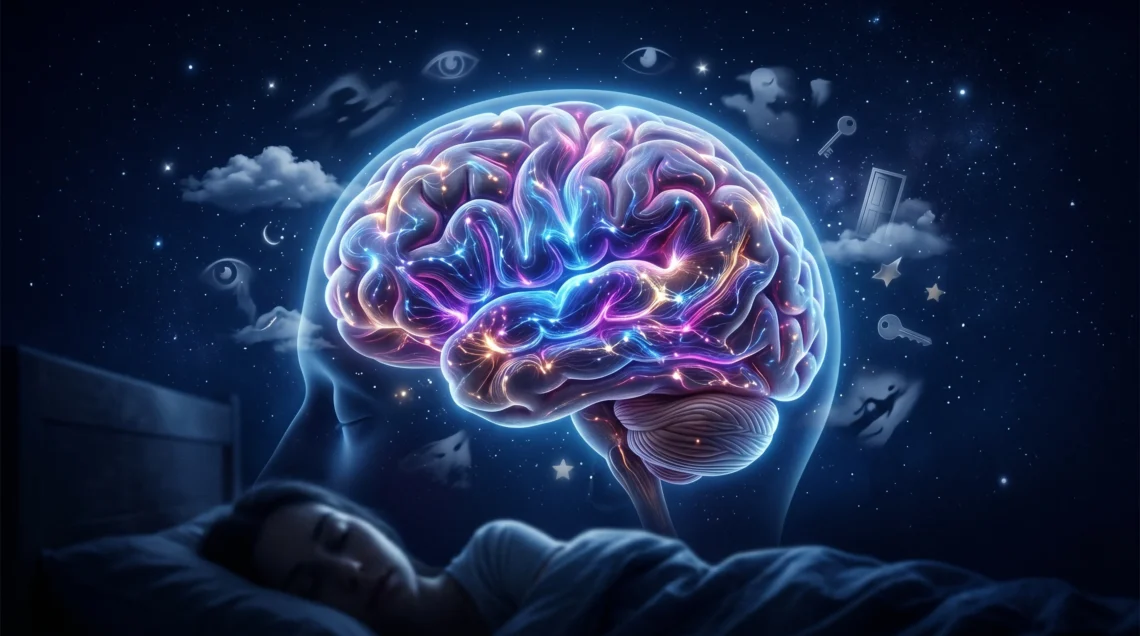
Many people wake up after a disturbing dream and immediately wonder if it meant something important. This curiosity has made the topic of common nightmares that are actually warnings very popular online. Some believe nightmares predict future events, while others think they are random brain activity. The truth lies somewhere in between psychology and sleep science.
Nightmares often feel extremely real because they happen during deep REM sleep when the brain is highly active. In most cases, they are not predictions of the future but reflections of stress, emotions, or mental overload. However, there are situations where nightmares can indicate underlying health or psychological issues that should not be ignored.
What Are Nightmares?
Nightmares are vivid, disturbing dreams that usually wake a person up from sleep. They often involve fear, danger, or emotional distress. Most nightmares occur during a stage of sleep known as rapid eye movement sleep, also called REM Sleep.
During this stage, the brain processes emotions, memories, and experiences from the day. The emotional centers of the brain become highly active, which is why dreams can feel intense or even realistic. At the same time, logical thinking is reduced, so fear can feel exaggerated.
Nightmares are a normal part of human sleep, but frequent or intense nightmares may suggest emotional or physical stress.
Are Nightmares Really Warnings?
The idea behind common nightmares that are actually warnings is partly based on how the brain processes fear. When we experience stress or anxiety in daily life, the brain may replay these emotions during sleep. This can create the feeling that the dream is sending a warning.
However, science shows that nightmares are not predictive messages. Instead, they are the brain’s way of processing emotional overload, unresolved thoughts, or anxiety. The feeling of a warning is usually the brain reacting to internal stress rather than external events.
So while nightmares can feel meaningful, they are usually symbolic rather than literal.
Common Nightmares and Their Psychological Meanings
Different types of nightmares often connect to specific emotional states. Understanding these patterns can help explain common nightmares that are actually warnings from a psychological perspective.
Being Chased
This often reflects avoidance in real life. It may suggest stress, anxiety, or running away from responsibilities.
Falling
Falling dreams are linked to loss of control, insecurity, or instability in life situations.
Teeth Falling Out
This is commonly associated with self-image concerns, embarrassment, or fear of losing confidence.
Drowning
This may reflect emotional overwhelm or feeling trapped by life pressures.
Death Dreams
These usually represent change, transition, or fear of endings rather than actual death.
These meanings are psychological interpretations, not predictions.
Mental Health Conditions Linked to Nightmares
Nightmares can sometimes be connected to mental health conditions, especially when they occur frequently or intensely.
Common connections include:
- Anxiety disorders and constant worry
- Depression and emotional heaviness
- Trauma-related conditions, such as Post-Traumatic Stress Disorder
- Chronic stress and emotional burnout
People experiencing these conditions often report recurring nightmares because the brain continues processing emotional distress during sleep.
Physical and Medical Triggers of Nightmares
Not all nightmares come from psychological causes. Some are triggered by physical or medical factors.
Common triggers include:
- Fever or illness-related dreams
- Certain medications that affect brain chemistry
- Lack of sleep or sleep deprivation
- Alcohol or substance use before sleeping
- Hormonal changes in the body
These factors can disrupt normal sleep cycles and increase the likelihood of disturbing dreams.
Hidden Neurological Causes of Nightmares
One important but less discussed reason behind common nightmares that are actually warnings is how the brain processes fear during sleep.
During REM sleep, the amygdala, which controls fear responses, becomes highly active. At the same time, the prefrontal cortex, responsible for logical thinking, becomes less active. This imbalance can create intense emotional dream experiences.
Stress hormones like cortisol can also influence dream intensity. When the body is under constant stress, the brain is more likely to produce emotionally charged dreams.
These neurological patterns explain why nightmares feel so real even when they are not meaningful predictions.
When Nightmares Are NOT Normal (Warning Signs)
While occasional nightmares are normal, frequent nightmares may indicate deeper issues.
You should pay attention if you experience:
- Nightmares three or more times per week
- Difficulty falling back asleep after waking up
- Daytime fatigue or low energy
- Anxiety before going to bed
- Emotional distress affecting daily life
In such cases, nightmares may be linked to sleep or mental health concerns rather than normal dreaming patterns.
Difference Between Normal Bad Dreams and Nightmare Disorder
There is a difference between occasional nightmares and a clinical condition known as nightmare disorder.
Normal bad dreams:
- Occur occasionally
- Do not significantly affect daily life
- Are linked to temporary stress
Nightmare disorder:
- Happens frequently and repeatedly
- Causes sleep disruption
- Leads to emotional or psychological distress
- May require professional support
Understanding this difference helps determine when nightmares should be taken more seriously.
How to Stop or Reduce Nightmares Naturally
There are several effective ways to reduce nightmares and improve sleep quality.
Improve Sleep Hygiene
Maintain a consistent sleep schedule and create a calm sleeping environment.
Reduce Stress
Practice relaxation techniques such as deep breathing or meditation.
Limit Screen Time
Avoid phones or screens before bed as they stimulate the brain.
Process Emotions
Writing down thoughts or journaling before sleep can help release mental pressure.
Seek Support if Needed
If nightmares are linked to trauma or anxiety, therapy can be helpful.
These habits can significantly reduce the frequency of nightmares over time.
Myths vs Facts About Nightmares
There are many myths surrounding common nightmares that are actually warnings, but science provides clearer answers.
Myth: Nightmares predict the future
Fact: They reflect emotional and psychological processing
Myth: Every dream has a hidden meaning
Fact: Many dreams are random brain activity during sleep
Myth: Nightmares are spiritual messages
Fact: They are mainly influenced by stress and brain function
Understanding these facts helps reduce unnecessary fear.
Frequently Asked Questions
Are nightmares a sign of mental illness?
Not always. Only frequent or distressing nightmares may indicate underlying issues.
Why do I keep having nightmares every night?
This may be caused by stress, anxiety, trauma, or poor sleep habits.
Can nightmares predict health problems?
No scientific evidence supports predictive dreaming.
What causes recurring nightmares to suddenly?
Common causes include stress, emotional trauma, or sleep disruption.
Conclusion: What Your Nightmares Really Mean
In most cases, common nightmares that are actually warnings are not literal messages but reflections of your emotional and psychological state. They are influenced by stress, sleep quality, and brain activity during REM sleep.
While nightmares can sometimes highlight mental or physical health concerns, they are not predictions of the future. Understanding their true nature can help reduce fear and improve sleep quality. If nightmares become frequent or distressing, addressing stress and sleep habits is the most effective first step toward improvement.